Friend vs. Professional Officiant: Which Is Right for You?
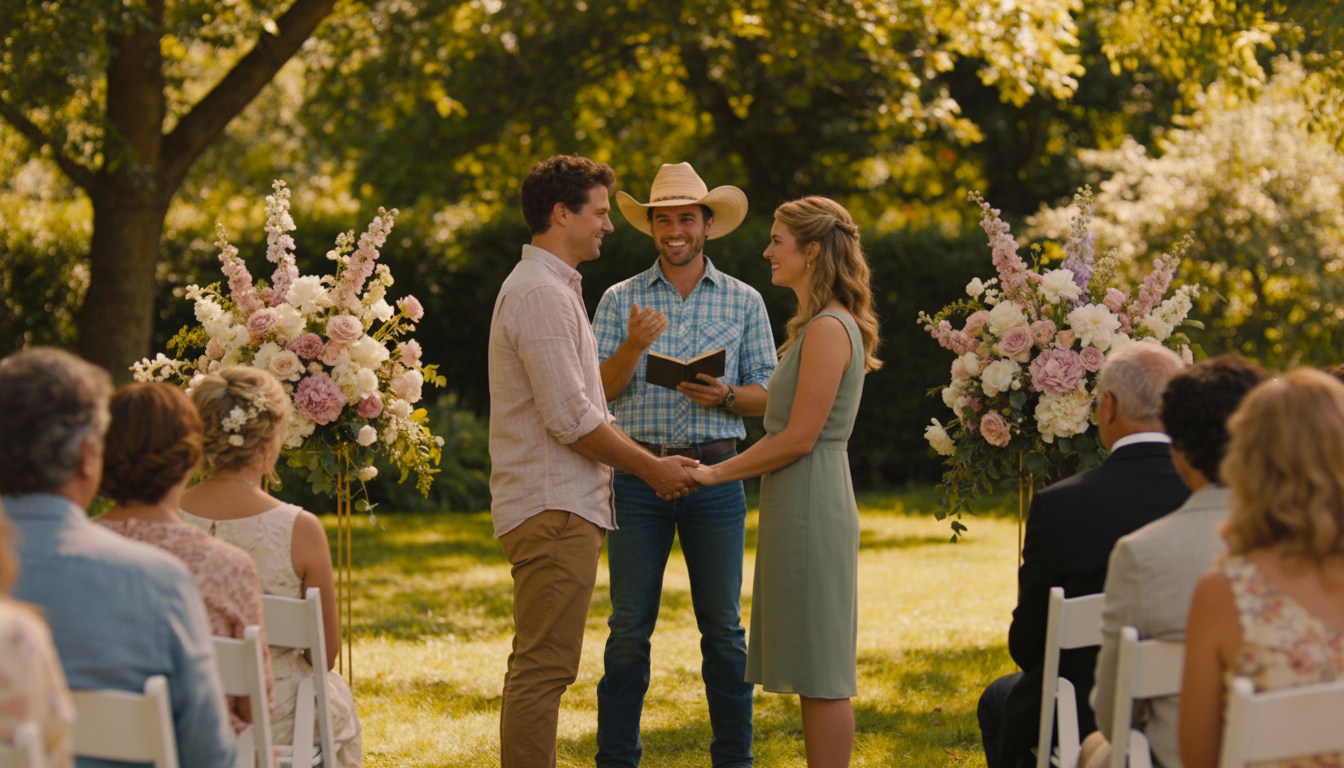
Choosing who will stand with you at the altar is one of the most important wedding decisions you will make. That person shapes the tone of your ceremony, calms (or heightens) your nerves, and holds responsibility for making your marriage legally official. Many couples wrestle with whether to ask a beloved friend or hire a professional officiant, and there is no one‑size‑fits‑all answer. The key is understanding what matters most to you and your fiancé: emotional connection, experience, legal know‑how, and the ability to keep things calm and organized when it counts.
The Power of Emotional Connection
One of the biggest reasons couples choose a friend is the emotional connection they already share. A close friend or family member knows your history, your inside jokes, and the journey that led you to the altar. They can speak from the heart in a way that feels deeply personal and intimate, often sharing stories that make your guests laugh and cry in the same moment.
However, emotional intimacy does not automatically translate into comfort in front of a crowd. A friend who loves you dearly may still feel overwhelmed by standing in front of your guests, holding a microphone, and guiding a once‑in‑a‑lifetime moment. That nervousness can lead to rushed reading, forgotten lines, or awkward pauses that pull focus from your vows and the sacredness of the moment. When you invite a friend to officiate, you are asking them to be both present as someone who loves you and “on” as the ceremony leader, which is a big emotional load for them to carry.
A professional officiant may not have known you for years, but a good one takes time to build connection and learn your story. Through questionnaires, planning meetings, and thoughtful conversation, they can craft language that feels like it could have only been written for the two of you. The connection is different from a lifelong friendship, but it is still real—and it comes with the added benefit of confidence and clarity in front of your guests.
Experience at the Microphone
Experience is where a professional officiant truly shines. Leading ceremonies is not just about reading words off a script; it is about pacing, presence, and knowing what to do when things do not go exactly as planned. Professionals understand how to project their voice, manage a microphone, cue music, and transition smoothly between each part of the ceremony so it feels cohesive instead of choppy.
A friend officiant is often doing this for the very first time. They may not know how loudly to speak, where to stand for photos, or how to step aside during your first kiss so they are not in every picture. They probably have not practiced recovering gracefully if the wind blows the vows away, a ring bearer refuses to walk, or a phone rings mid‑ceremony. These may sound like small details, but in the moment, they can be the difference between stress and laughter.
Professional officiants have “seen it all” and carry that experience into your day. They know how to gently guide guests when it is time to sit or stand, remind everyone to silence their phones, and keep the ceremony flowing even if something behind the scenes is not going perfectly. That invisible expertise creates a sense of calm for both you and your guests.
Legal Know‑How and Peace of Mind
A wedding ceremony is emotional and spiritual, but it is also a legal event. Each state has its own requirements about who can marry you, how the license must be completed, and when it must be filed. Missing a signature, using the wrong ink, or failing to return the license on time can create headaches, or, in rare cases, questions about whether the marriage was legally valid.
Friends who get “ordained online” may not realize that some states have specific rules about registration, credentials, or how the license must be handled. They might not know where to stand in terms of legal language in the ceremony or how to correctly fill out each section of the marriage license. Because they do not perform ceremonies regularly, they are less likely to have a step‑by‑step system for double‑checking everything.
Professional officiants, on the other hand, work within these legal frameworks all the time. They know the requirements for your area, stay updated on changes, and treat the license with the seriousness it deserves. Many have checklists for signing, a standard process for walking witnesses through their part, and a clear plan for filing the license afterward. That legal expertise offers peace of mind so you can focus on the joy of the day instead of the paperwork.
Handling Nerves and Ceremony Logistics
Your wedding day naturally comes with nerves, for you, your partner, and often the person leading the ceremony. A friend may feel honored yet anxious, worrying about “messing it up” in front of everyone. Those nerves can unintentionally add to your own, especially if you find yourself coaching them on what to say, where to stand, and how to hold the script.
A professional officiant is used to high‑emotion environments and sees part of their role as emotional anchor. They arrive with a clear plan, walk you through what will happen step by step, and can reassure you with simple cues and calming presence. Because they are not juggling their own stage fright, they are free to focus completely on you, prompting when to face each other, when to hold hands, when to breathe, and when to smile at your guests.
Logistically, there are many moving parts in even the simplest ceremony: entrance timing, who stands where, what happens with the rings, how to involve family members or children, and how to transition from the pronouncement to the recessional. A friend might figure this out with help from your planner, but a professional officiant already has a roadmap. They often collaborate with coordinators, photographers, and musicians to ensure everyone is in sync, reducing the chances of awkward gaps or confusion.
So Which Is Right for You?
In the end, the choice between a friend and a professional officiant comes down to priorities. If your highest value is having someone who has walked through life with you speak from the heart, and you are comfortable accepting a bit more risk around nerves and logistics, a trusted friend may be a beautiful fit. If you want a ceremony that is deeply personal yet also polished, legally secure, and guided by someone whose calm comes from experience, a professional officiant is often the wiser choice.
Some couples choose a hybrid approach: inviting a friend to do a reading or share a short reflection while a professional officiant handles the structure, legal elements, and flow of the ceremony. Whatever you decide, invest time in planning your ceremony with intention. The words spoken and the person who speaks them will stay with you long after the last song has played and the last sparkler has gone out.
Divine Marriage Union can help and coach your friend or family member to write the perfect ceremony.