One Love, Two Traditions: Designing a Heartfelt Interfaith Wedding Ceremony
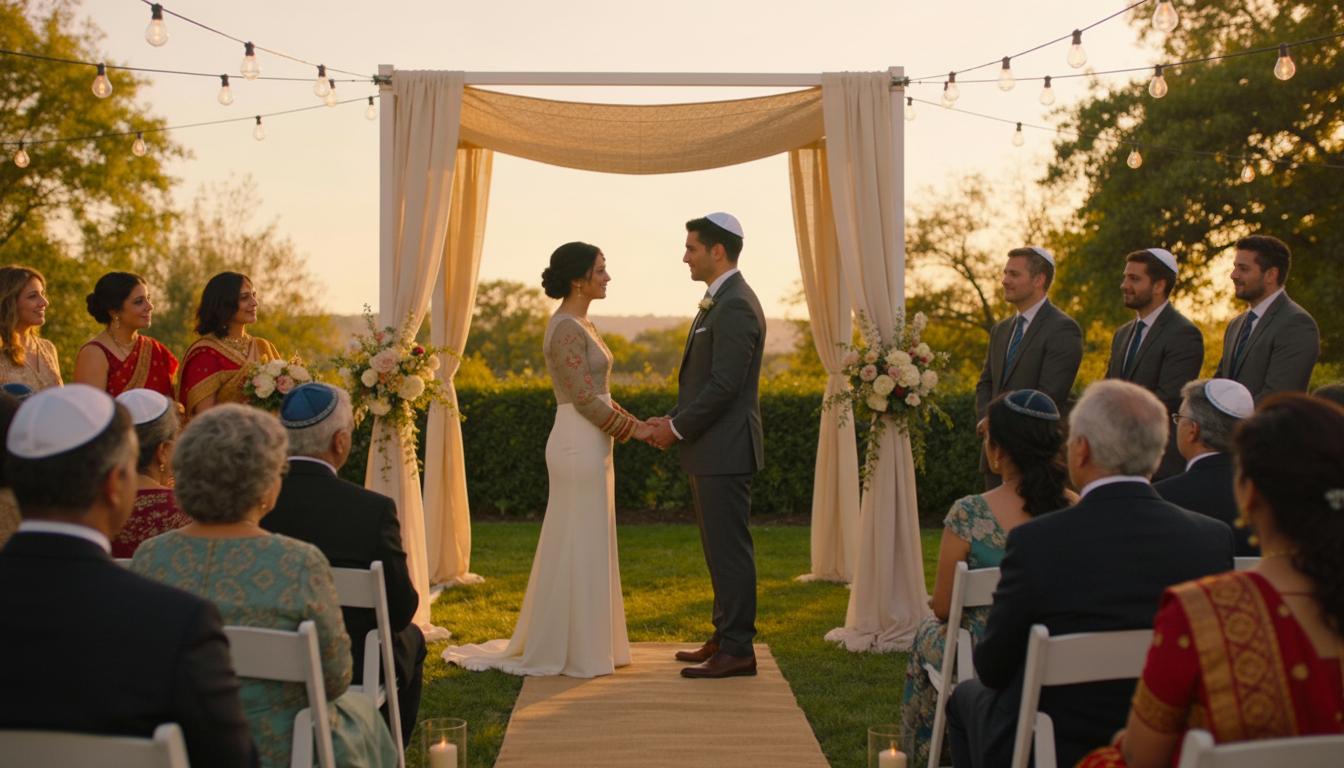
Creating a mixed faith wedding ceremony as a bride and groom starts with honoring both of your traditions equally, then designing a flow that feels cohesive, personal, and welcoming for every guest. The goal is to translate each of your spiritual backgrounds into clear, beautiful moments that tell your shared love story.
Start with honest conversations
Begin by having a deep, judgment‑free conversation together about what matters most in your faith journeys before you ever talk about readings or rituals. This builds trust and gives clarity about what feels sacred, what feels flexible, and how faith will show up in your marriage, not just your wedding day.
Key questions for the two of you:
- How religious or spiritual is each of you in daily life (not just on paper)?
- Which rituals, prayers, or symbols feel non‑negotiable, and which are flexible or optional?
- Are there any “hard no’s” for either of you or your families (certain prayers, clergy, locations, or symbols)?
- How comfortable are you with God‑language, formal prayers, or references to Jesus, Allah, Adonai, etc.?
Consider premarital counseling or faith‑based conversations (with clergy, a mentor, or your officiant) so you practice talking about religion before the wedding day.
Clarify family expectations early
Mixed faith ceremonies often carry family hopes, fears, and sometimes pressure, so naming that reality together early can prevent conflict in the final weeks. This also helps you present a united, respectful front to both sides of the family.
Practical steps you can take:
- Ask each other what your parents or key relatives are expecting to see in the ceremony (for example, “It has to feel Catholic,” “We need a chuppah,” “Quran or Bible reading”).
- Decide whether you’d like your officiant to host a brief call with parents or a family representative to explain how both traditions will be honored.
- Practice language you can use, such as, “We’re creating a ceremony that honors both of our traditions and who we are now.”
- Reassure your families that interfaith elements will be briefly explained during the ceremony so guests feel included, not confused.
-
Choose how you want it led
You will need to decide what kind of officiant structure feels right for you and your traditions. The model you choose affects the script, the length, and the emotional tone of the ceremony.
Common options:
- Single interfaith officiant: One experienced officiant weaves both traditions throughout the ceremony, which is ideal for flexibility and cohesion.
- Dual‑clergy model: Two leaders (for example, priest and rabbi, imam and pastor) share roles such as welcome, readings, blessings, and vows.
- Hybrid approach: A professional officiant leads the overall flow, while a clergy member offers a specific blessing, reading, or prayer from one tradition.
If you involve more than one officiant, ask them to schedule a coordination call so the ceremony feels like one unified experience, not two separate services.
Choose core rituals from each faith
Instead of trying to include everything, choose a short list of “anchor” rituals or symbols from each tradition and build the ceremony around those. Focus on rituals that express shared values like unity, covenant, blessing, joy, and family.
Examples you might draw from:
- Christian traditions: Scripture readings, unity candle, blessing, “sign of peace,” or a brief prayer.
- Jewish traditions: Chuppah, blessings, Sheva Brachot adaptations, breaking the glass, Hebrew prayer.
- Hindu traditions: Varmala (garland exchange), Saptapadi (seven steps), sacred fire, mandap.
- Muslim traditions: Quran recitation, nikah vows, dua, or cultural practices your families cherish.
Talk together about how these choices can echo one another thematically so the ceremony feels aligned rather than fragmented.
Design a simple, blended flow
A clear structure helps guests follow along and keeps the experience spiritual and focused instead of confusing or overly long. Aim for one integrated ceremony rather than two full services back‑to‑back.
Sample interfaith flow you could adapt:
- Welcome that names both traditions and explains the purpose of your blended ceremony.
- Story segment where your officiant shares your journey and how your different backgrounds enrich your relationship.
- Reading or prayer from Tradition A, then from Tradition B, each introduced with simple context.
- Unity ritual (candle, sand, handfasting, or another symbolic act) that reflects your shared values.
- Vows and ring exchange, with the option to include tradition‑specific wording or additional personal vows.
- Final blessing that references themes and language meaningful to both faiths, followed by a signature ritual like breaking the glass or stepping away from the mandap/chuppah together.
Keep the timeframe realistic; combining two full ceremonies will exhaust guests, so give yourselves permission to lovingly edit.
Use language that honors both
The language in your ceremony will set the tone for respect, inclusion, and how “seen” both sides of the family feel. Aim for wording that affirms each tradition without diluting either.
Approaches you can discuss with your officiant:
- Use parallel phrasing: “Today we honor the Christian and Jewish traditions that shaped them, and the shared values that unite them.”
- When using specific names for God, consider balancing them: you might include both faiths’ language within the ceremony or frame it as, “In the language of their traditions, we offer this prayer.”
- Adapt any existing script so it is theologically comfortable for both of you while still recognizable to your families, perhaps using inclusive blessings instead of lengthy doctrinal statements.
- Ask to review all religious language in advance so nothing surprises you at the altar.
Help guests feel included
Many guests will be unfamiliar with at least some of your rituals, and brief explanations can turn confusion into a beautiful teaching moment. This also shows respect to both sides of the family.
Ways to keep everyone engaged:
- Have your officiant briefly introduce each major ritual: for example, “Now we will light a unity candle, a Christian tradition symbolizing two lives becoming one, followed by a Jewish blessing under the chuppah, symbolizing the home they are building together.”
- Ask your officiant to note that this is your unique way of honoring both families and your shared future.
- Encourage appropriate participation (responding to a blessing, sharing “peace be with you,” or joining a communal response).
- Consider adding a printed program or signage with one‑sentence explanations for key rituals.
Bring faith into décor, music, and atmosphere
Your mixed faith elements do not have to be limited to spoken words; visual and musical touches can quietly celebrate both backgrounds. These details can feel especially meaningful to older relatives and out‑of‑town guests.
Ideas you might enjoy:
- Create a ceremony space that blends symbols, such as a mandap‑chuppah, or a simple canopy with design elements from both traditions.
- Use music from both cultures or faiths during the processional, recessional, or reception (for example, hora dancing followed by music from the other culture).
- Choose colors, fabrics, or floral details that reflect each heritage in a balanced way.
These choices quietly communicate that both of your stories are seen and valued, even beyond the spoken script.
Keep the ceremony deeply personal
The most meaningful interfaith ceremonies feel like you, not like a compromise document. You are not only blending religions; you are building a home where both of your stories belong.
Ways to personalize together:
- Write personal vows that reference both of your backgrounds and the future you are choosing together.
- Include loved ones from each tradition in readings, blessings, or symbolic moments.
- Choose a unity ritual that speaks to your story—a unity candle, handfasting, ring warming, or a creative twist like blending spices, tea, or soil from two homelands.
When you look around and see your families and guests smiling, tearing up, and leaning in, you will know your mixed faith ceremony is not just balanced—it is authentically yours