Bouquets, Myths, and Meaning: The Surprisingly Rich History of the Bridal Bouquet
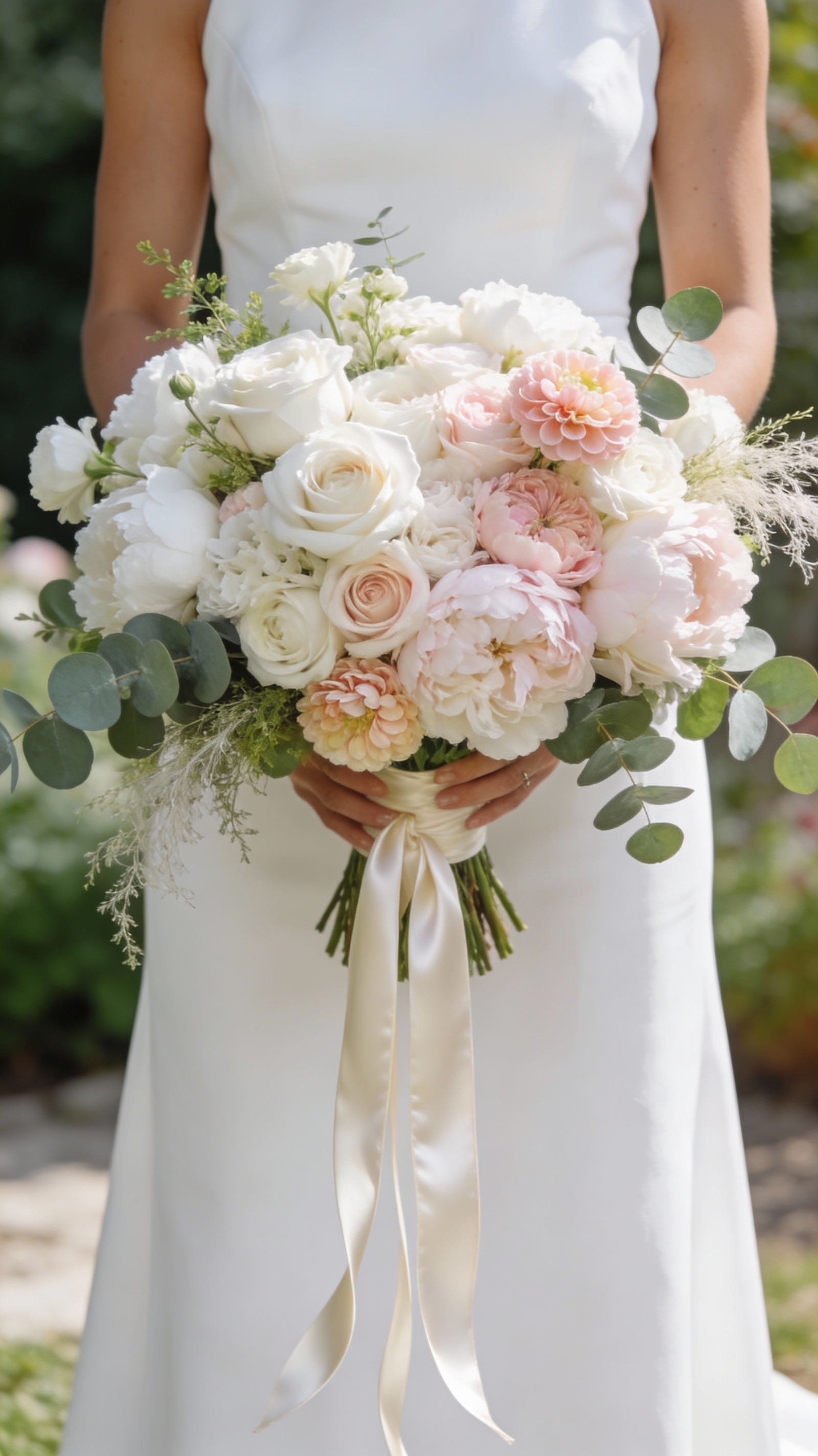
The bridal bouquet is one of the most recognizable symbols of a wedding, but its roots reach back far before modern romance. Historically, brides did not carry bouquets for decoration alone. In ancient Greece and Rome, brides held bundles of herbs, spices, and blooms believed to ward off evil spirits and bring protection and fertility to the new union. Garlic, dill, and other pungent plants were common, chosen more for symbolism and superstition than for beauty.
During the Middle Ages, flowers took on a stronger role as tokens of luck and blessing. Orange blossoms, for example, became associated with purity and fruitfulness, making them a favored choice for brides. As trade and gardening expanded, more varieties of flowers became available, and bouquets gradually shifted from practical charms to aesthetic centerpieces.
The Victorian era did the most to shape the bridal bouquet as it is known today. Victorians embraced the “language of flowers,” where each bloom carried a message: roses for love, myrtle for faithfulness, ivy for loyalty and attachment. Brides could, in theory, “speak” their feelings and hopes for marriage through the flowers they chose.
By the way, there is also a popular fun fact that, in times before modern bathing and deodorant, fragrant herbs and blooms like rosemary and lavender may have helped freshen the air and soften body odor at crowded celebrations. While pleasant smells were certainly a bonus, most historians agree the deeper reasons for bouquets were spiritual protection, blessing, and romantic symbolism rather than hygiene alone.